Navigating Raja Ampat’s Exclusive Yacht Charter Regulations for 2027
Understanding Raja Ampat’s specific yacht charter regulations for 2027 is crucial for a compliant and enjoyable expedition. These regulations, designed to preserve the region’s extraordinary marine biodiversity, encompass permits, designated cruising zones, and adherence to strict environmental protocols, ensuring sustainable luxury tourism within this Indonesian archipelago.
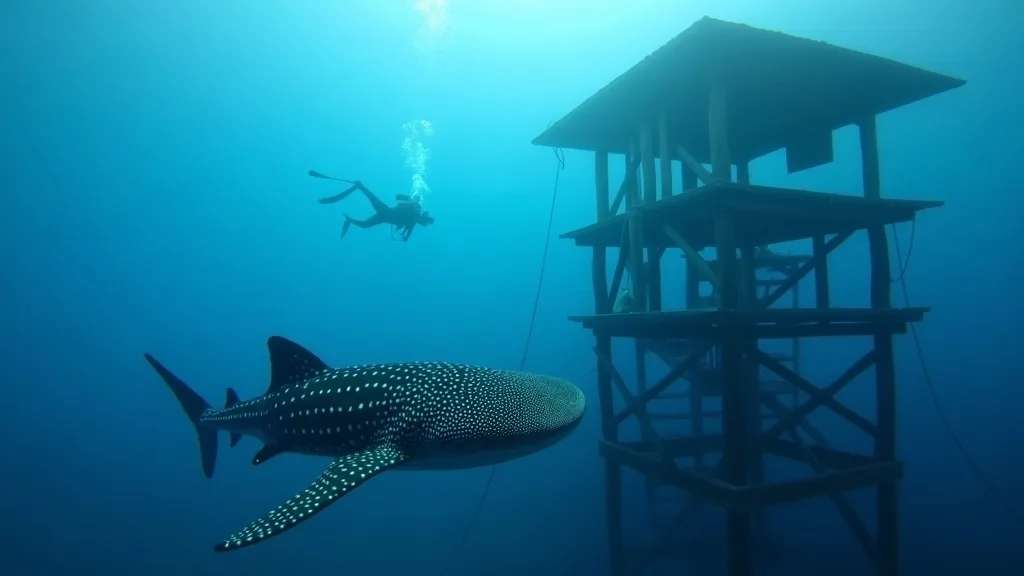
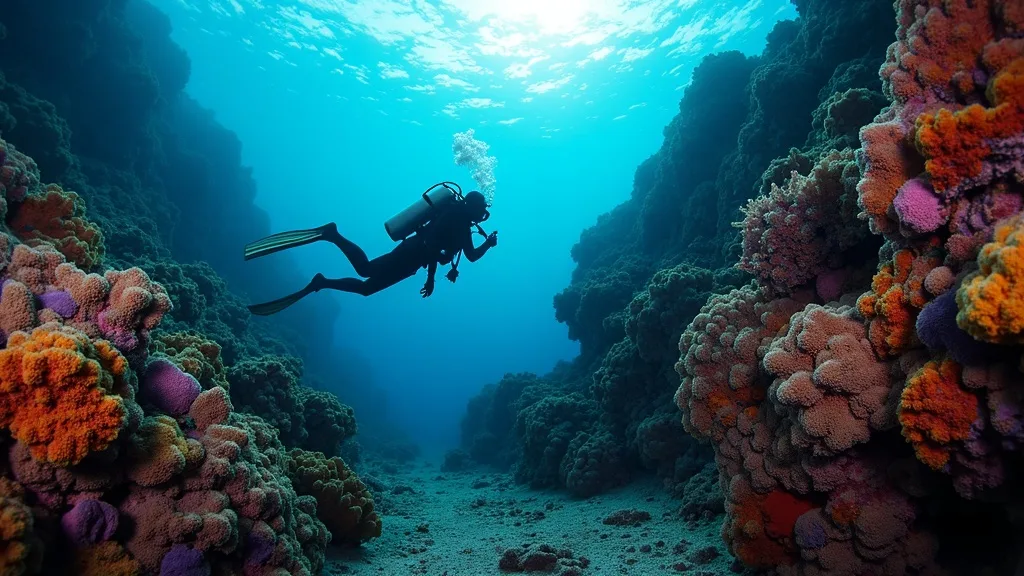
As 2027 approaches, the allure of Raja Ampat – a name synonymous with marine biodiversity – remains undiminished for discerning travellers seeking an exclusive yacht charter experience. This remarkable archipelago, comprising over 1,500 islands off West Papua, hosts a staggering 75% of all known coral species globally and between 1,400 and 1,600 fish species. Such a pristine environment demands meticulous regulation, and prospective charterers for 2027 must be thoroughly acquainted with the operational protocols governing these expeditions. The Indonesian government, in collaboration with local conservation bodies, continues to refine these guidelines to balance high-end tourism with ecological preservation.
The Mandate for Conservation and Compliance
The core of Raja Ampat’s charter regulations for 2027 is rooted in its status as a critical marine biodiversity hotspot. Every permit, every cruising restriction, and every environmental directive serves to protect the vibrant ecosystems that allow underwater visibility to frequently exceed 30 metres. Yacht operators and charter guests are expected to uphold the highest standards of environmental stewardship. This includes strict adherence to waste management protocols, responsible anchoring practices – often mandating the use of mooring buoys – and absolute prohibition of disturbing marine life. The region’s commitment to sustainability is unwavering, and non-compliance carries significant penalties, including fines and potential revocation of cruising permits.
For those planning a bespoke journey through this ecological marvel, engaging with reputable charter brokers and yacht operators is not merely a convenience but a necessity. These entities possess the up-to-date knowledge of local laws, permit application processes, and the nuances of navigating Raja Ampat’s protected areas. They ensure that all documentation, from vessel registration to individual guest permits, is in order well in advance of the charter date, mitigating any potential disruptions to what should be an extraordinary voyage.
Permitting and Entry Requirements for 2027 Charters
Securing the necessary permits is the foundational step for any Raja Ampat yacht charter. The primary requirement is the Raja Ampat Marine Park Entry Tag, often referred to as the PIN (Personal Identification Number). This tag is mandatory for all visitors, including those arriving by private yacht or liveaboard. In 2027, the system for acquiring and validating these tags is expected to be largely digital, streamlining the process but still requiring accurate personal details and advance payment.
- Marine Park Entry Tag: Essential for all individuals. Funds generated contribute directly to conservation efforts and local community development.
- Vessel Clearances: Yachts entering Indonesian waters require comprehensive customs, immigration, and quarantine (CIQ) clearances. For charter operations, additional permits from the Ministry of Transportation and various local authorities are necessary.
- Crew Documentation: All crew members must possess valid passports, visas (if applicable), and appropriate maritime certifications recognised by Indonesian authorities.
- Itinerary Approval: For longer charters, particularly those venturing into more remote or sensitive areas, a detailed itinerary may require pre-approval from the Raja Ampat local government or marine park management.
The process, while thorough, is designed to ensure that all visitors contribute positively to the region’s preservation. Charter companies typically manage the bulk of this administrative burden, but guests should be prepared to provide all requested personal information promptly.
Cruising Zones and Environmental Protocols
Raja Ampat is not a uniformly accessible marine park. It is segmented into various zones, each with specific regulations regarding access, activities, and vessel operations. These zones range from strictly protected areas, where entry might be restricted or require special permission, to designated tourism zones that accommodate a higher volume of visitors while still enforcing strict environmental guidelines.
Environmental protocols extend beyond permits. Waste management is a critical aspect; all yachts must have robust systems for storing and disposing of waste outside the marine park boundaries. Discharging any pollutants, including grey water and black water, within the park is strictly prohibited. Furthermore, responsible diving and snorkelling practices are enforced. This includes maintaining a respectful distance from marine life, refraining from touching corals or animals, and ensuring buoyancy control to avoid damaging the seabed. Education on these protocols is often provided by the yacht’s crew, many of whom are seasoned experts in Raja Ampat’s delicate ecosystems.
For those seeking the ultimate luxury raja ampat experience, understanding and respecting these rules enhances the journey. It transforms a simple holiday into a meaningful engagement with one of the planet’s most vital marine environments.
Sustainable Practices and Community Engagement
Beyond regulatory compliance, 2027 charters in Raja Ampat are increasingly emphasising sustainable practices and community engagement. Many luxury liveaboards and yachts actively support local initiatives, employ local guides, and source provisions responsibly. This commitment extends to minimising the carbon footprint of operations, utilising energy-efficient systems, and advocating for conservation awareness among guests. Charterers are encouraged to choose operators with a proven track record in sustainable tourism, ensuring their visit benefits both the environment and the local communities.
The economic impact of yacht charters on Raja Ampat is substantial. The revenue generated through permit fees and local spending directly supports conservation programmes, provides employment for local residents, and funds infrastructure development in remote villages. By choosing a regulated and responsible charter, visitors contribute directly to the long-term viability of this extraordinary destination.
Anticipated Price Ranges for 2027 Luxury Charters
The exclusivity and remote nature of Raja Ampat, combined with the comprehensive operational requirements and conservation contributions, are reflected in the charter prices for 2027. A typical 7-night immersion on a luxury liveaboard in 2027 is projected to cost between $40,250 and $105,000 USD. Weekly luxury yacht rentals will range considerably based on vessel size, amenities, and crew complement.
For example, weekly rates for specific yacht models are anticipated as follows:
| Yacht Model/Size | Build/Refit Year | Starting Weekly Rate (USD, 2027 Estimate) |
|---|---|---|
| 42m Haji Awang | Varies | $69,650 |
| 55m Trinity Yachts | 2005/2023 | $270,000 |
| 50m Anastassiades | 1970/2024 | $315,000 |
| 57m Feadship | 2005/2025 | $445,000 |
| 70m Benetti | Varies | $700,000 |
These figures underscore the premium nature of a Raja Ampat experience, justifiable by the region’s unique ecological value and the comprehensive services provided by top-tier charter operations.
What are the optimal travel seasons for Raja Ampat yacht charters in 2027?
The optimal travel season for Raja Ampat yacht charters in 2027, offering the most stable weather and highest visibility for diving, is between December and March (peak season). The broader dry season, from October to April, also provides excellent conditions with calm seas and minimal rainfall. May and September are considered shoulder seasons, typically offering good weather with occasional rain.
Why are Raja Ampat’s yacht charter regulations so stringent?
Raja Ampat’s yacht charter regulations are stringent to protect its extraordinary marine biodiversity. The region hosts 75% of all known coral species and over 1,400 fish species. Regulations ensure sustainable tourism by controlling visitor impact, managing waste, preventing environmental damage, and supporting local conservation efforts. Compliance is essential for preserving this critical ecosystem.